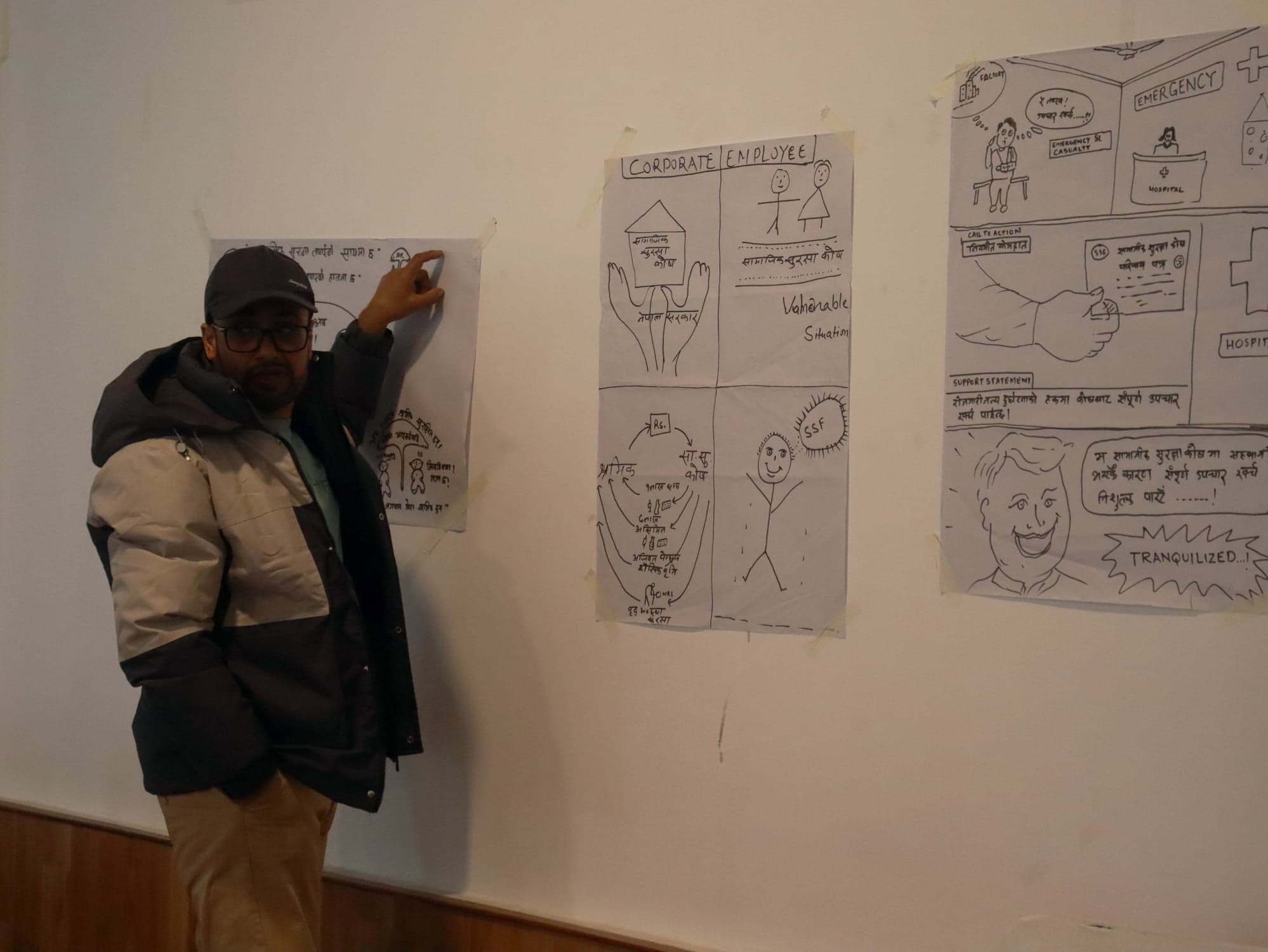
Connect. Inspire. Drive Real Action.
Our team works across diverse settings, creating events that reflect the purpose and character of each occasion. Whether the goal is to introduce a new initiative, spark dialogue among stakeholders, or celebrate a cultural moment, we design spaces and activities that bring people together naturally and flawlessly.
Our Portfolio
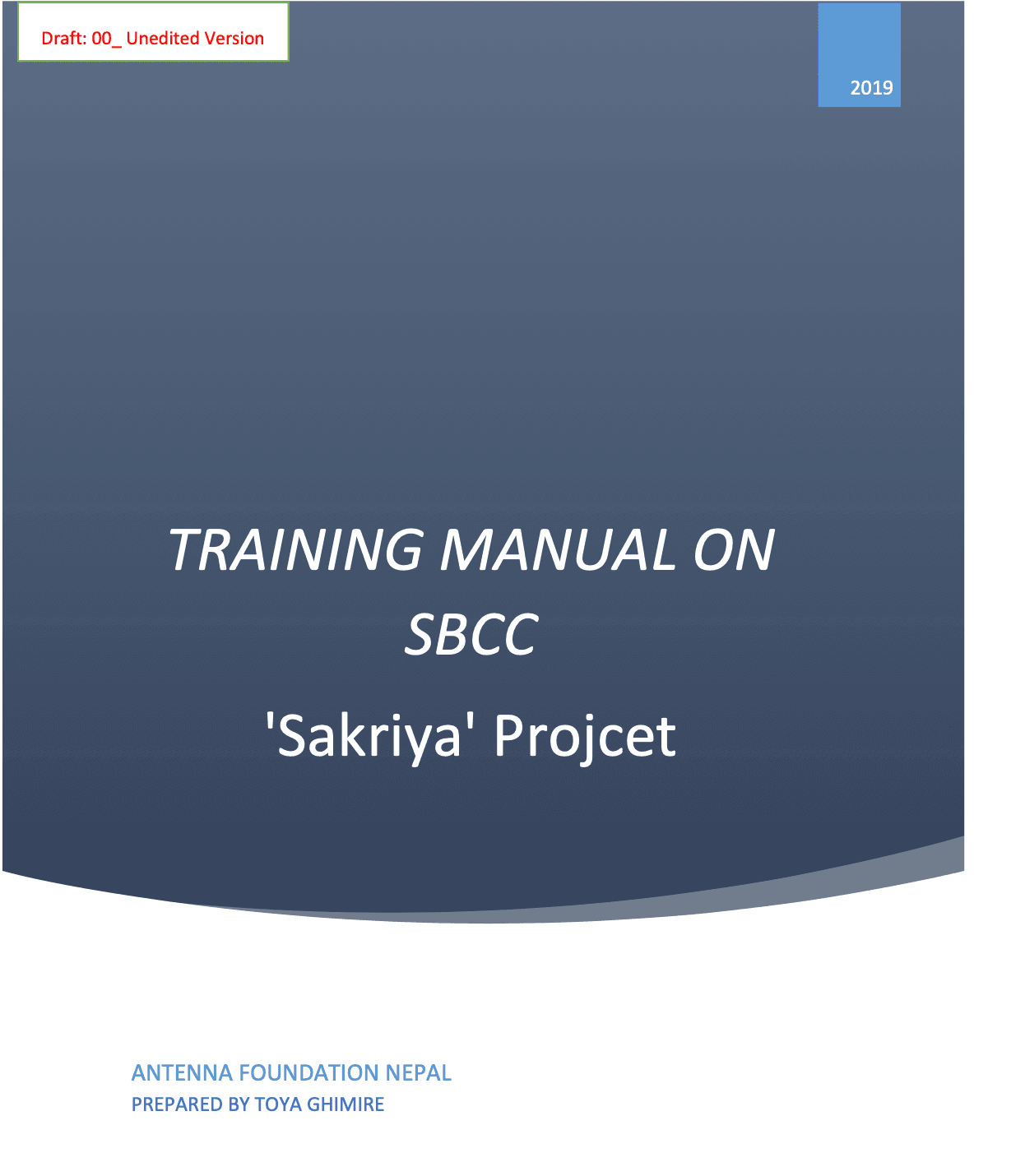
SBCC training Manual
SBCC combines Advocacy, Social Mobilization, and Behavior Change Communication to create lasting social change. Advocacy influences policies, laws, and decision-makers to support positive outcomes. Social Mobilization engages communities and partners to strengthen social norms and collective action. Behavior Change Communication empowers individuals with the knowledge, attitudes, and skills needed for positive behavior change.
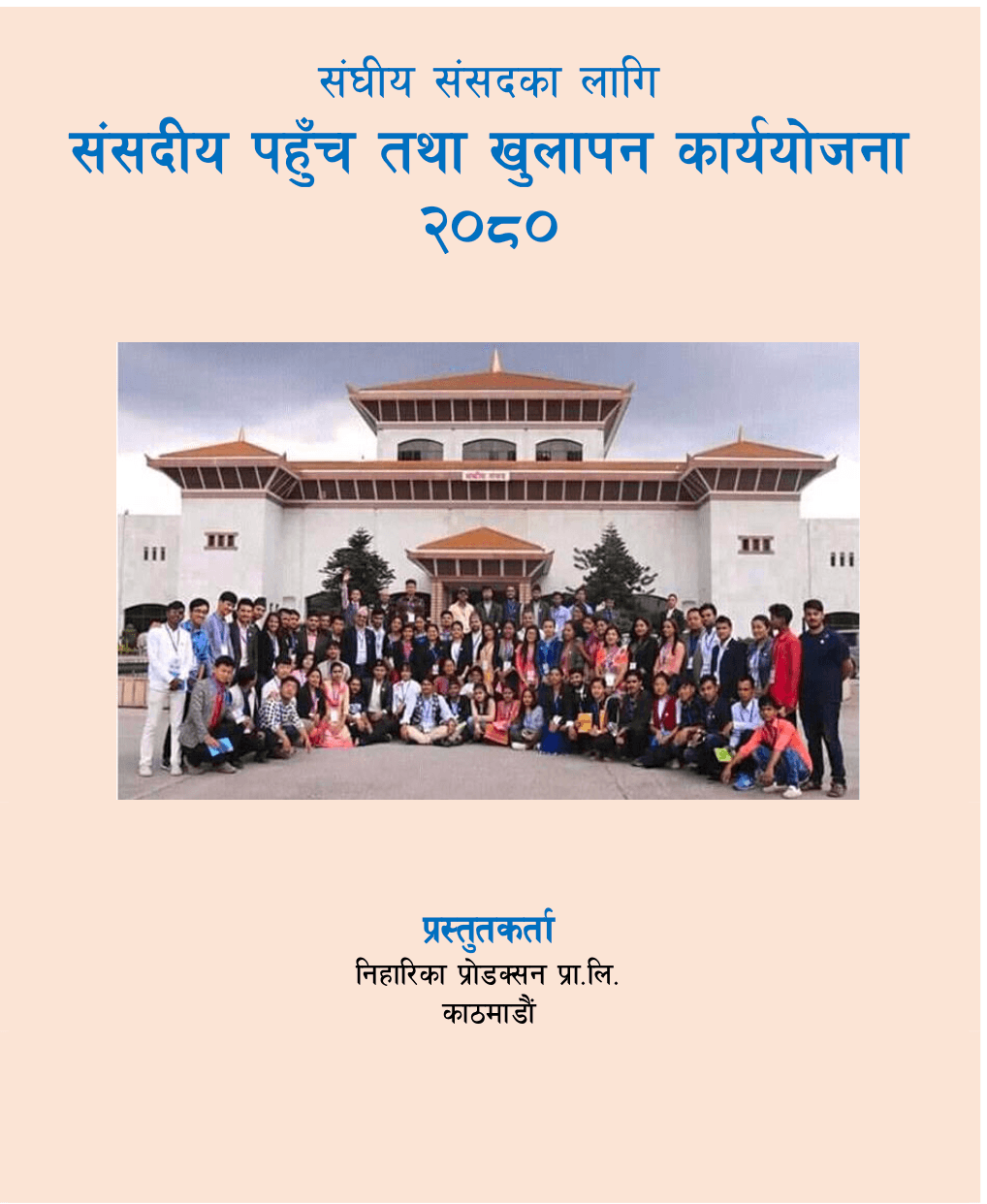
Parliament Outreach and Openness Plan for the Federal Parliament
The Parliament Outreach and Openness Plan is guided by four pillars: openness, transparency, public access, and electronic information sharing. Its implementation relies on active stakeholder engagement and capacity-building within the parliament secretariat. The plan promotes strong monitoring, evaluation, and continuous feedback from citizens and lawmakers. It also emphasizes public awareness, regular updates, and documentation of successful practices for sustained impact.
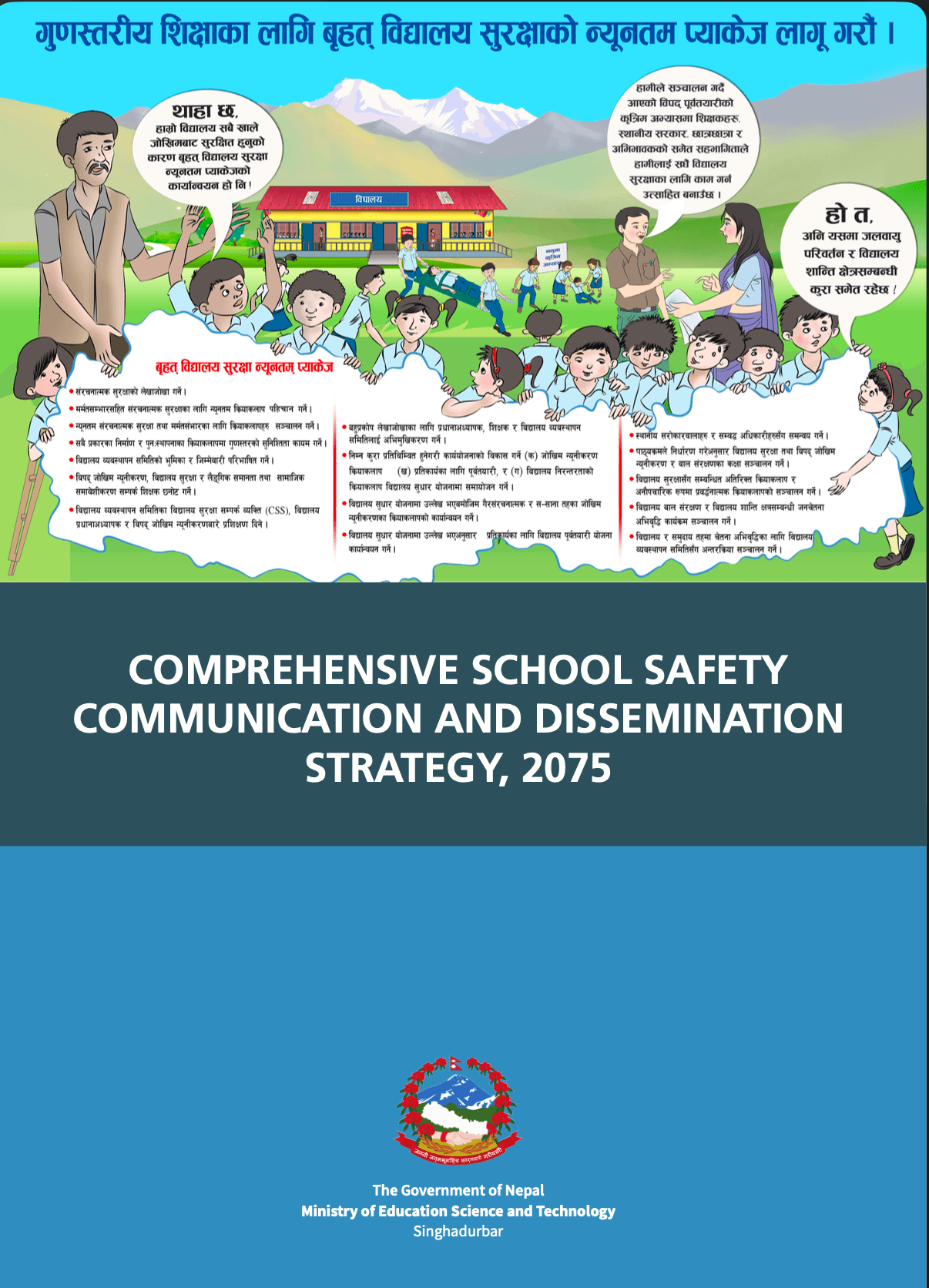
Final CSS C and D
The Comprehensive School Safety (CSS) Communication and Dissemination Strategy promotes minimum safety standards in schools to protect students and infrastructure from disasters and risks. It targets students, teachers, parents, school committees, local governments, and national stakeholders through tailored communication approaches. The strategy uses behavior change communication, social mobilization, and advocacy to encourage the adoption of safety measures. By integrating gender equality and social inclusion principles, it aims to make all schools in Nepal safer and more resilient.
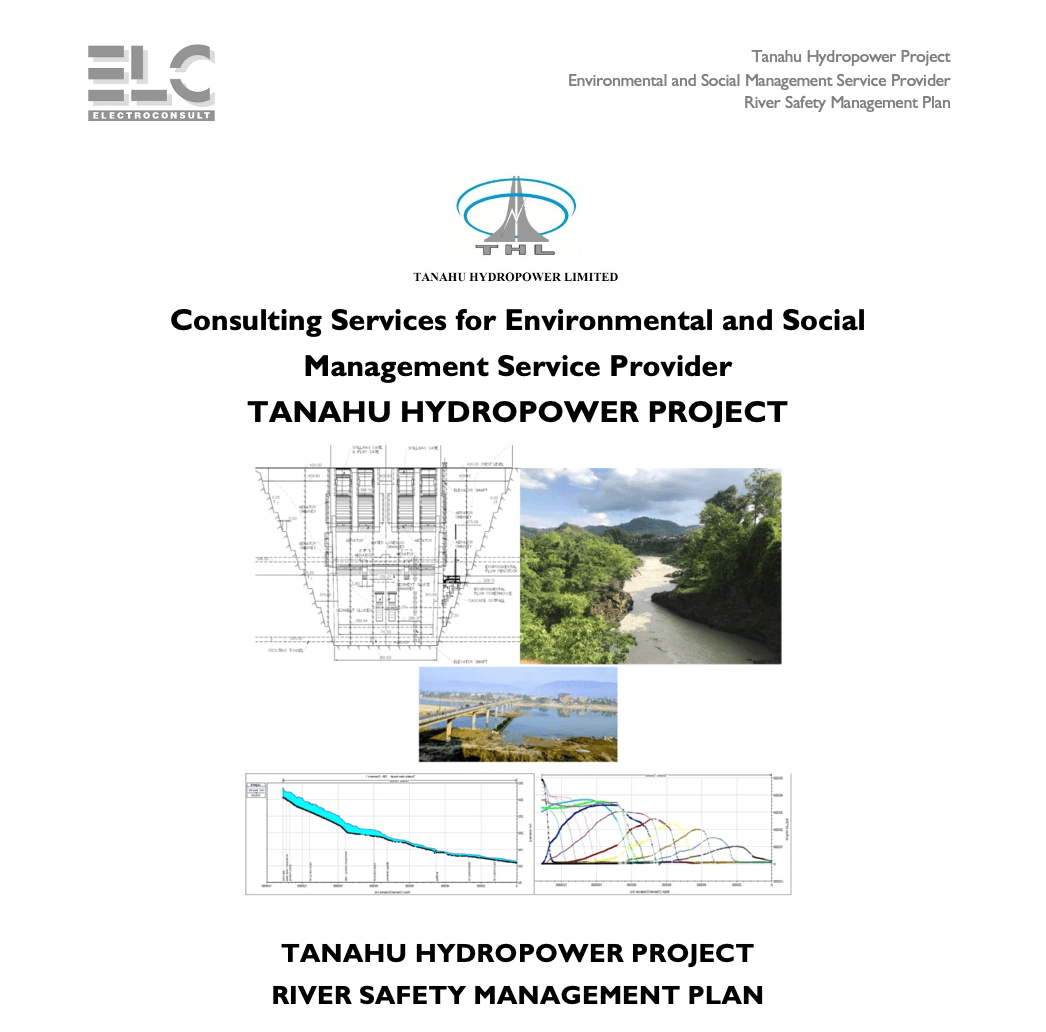
Communication strategy for the Tanahu Hydropower Project's
The Tanahu Hydropower Project's River Safety Communication Strategy aims to increase awareness and preparedness for river-related safety risks. It primarily targets vulnerable downstream communities while engaging local leaders, governments, and media. The strategy communicates potential hazards and promotes confidence in taking appropriate safety actions. It uses tools such as early warning sirens, animated videos, radio messages, posters, and SMS alerts to reach the public effectively.
5. Behaviour change Strategy
The Behaviour Change Strategy (2025–2028) for Panchkhal Municipality aims to improve public school education by addressing motivational and relationship-based barriers to learning. It focuses on teachers, students, parents, school management committees, and local officials using behavioural science approaches. The strategy introduces practical interventions such as teacher dialogue circles, student feedback mechanisms, and parent support programs.Its goal is to create inclusive, participatory, and emotionally safe learning environments that improve attendance, reduce dropouts, and enhance academic outcomes.
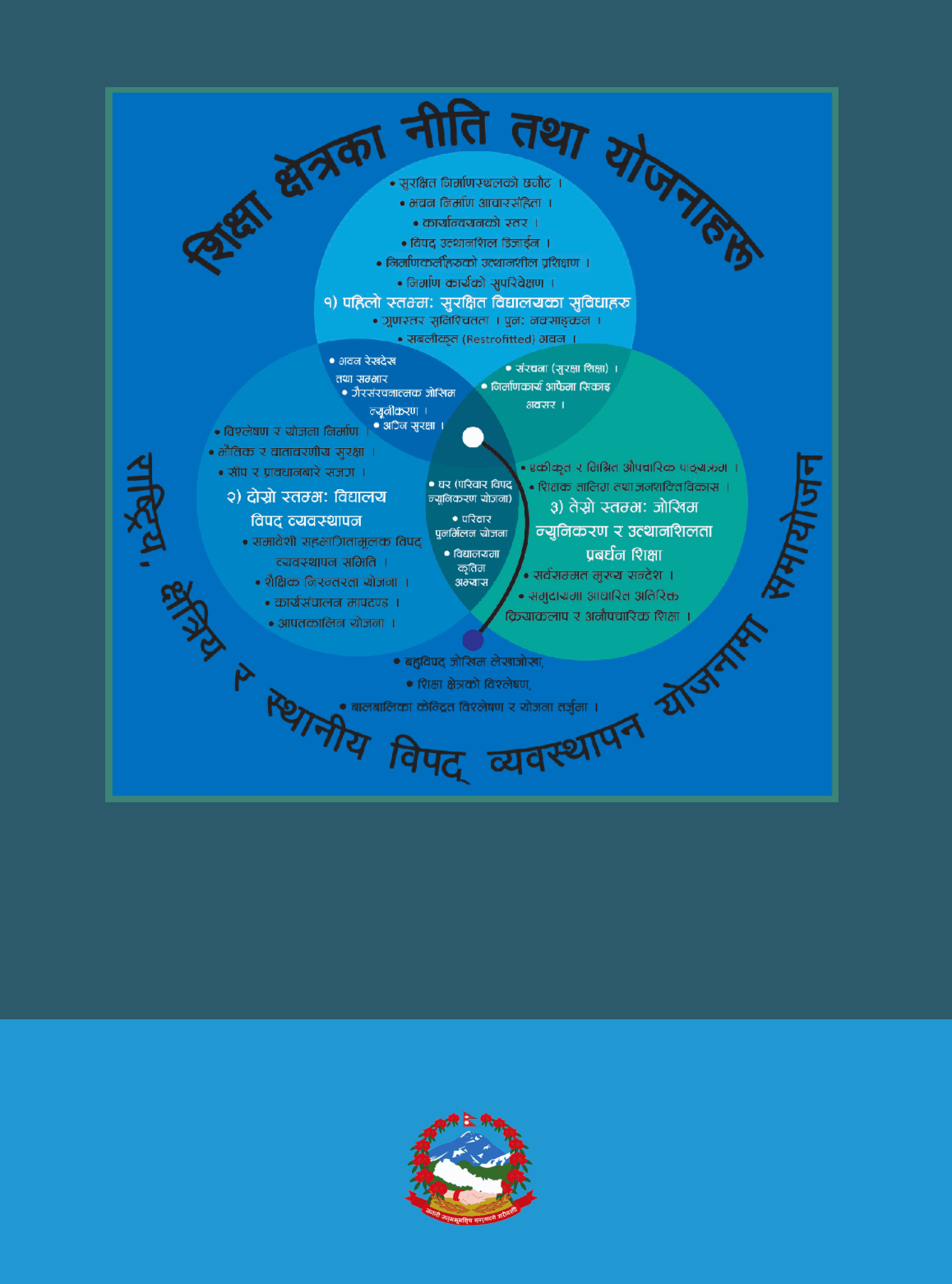
Communication Strategy 6
The CSS Strategy 2075 promotes safe and resilient schools across Nepal. It targets students, teachers, parents, and local authorities with tailored communication. The strategy uses advocacy, social mobilization, and behavior change communication to encourage safety practices. It ensures all efforts are inclusive through Gender Equality and Social Inclusion (GESI) principles.
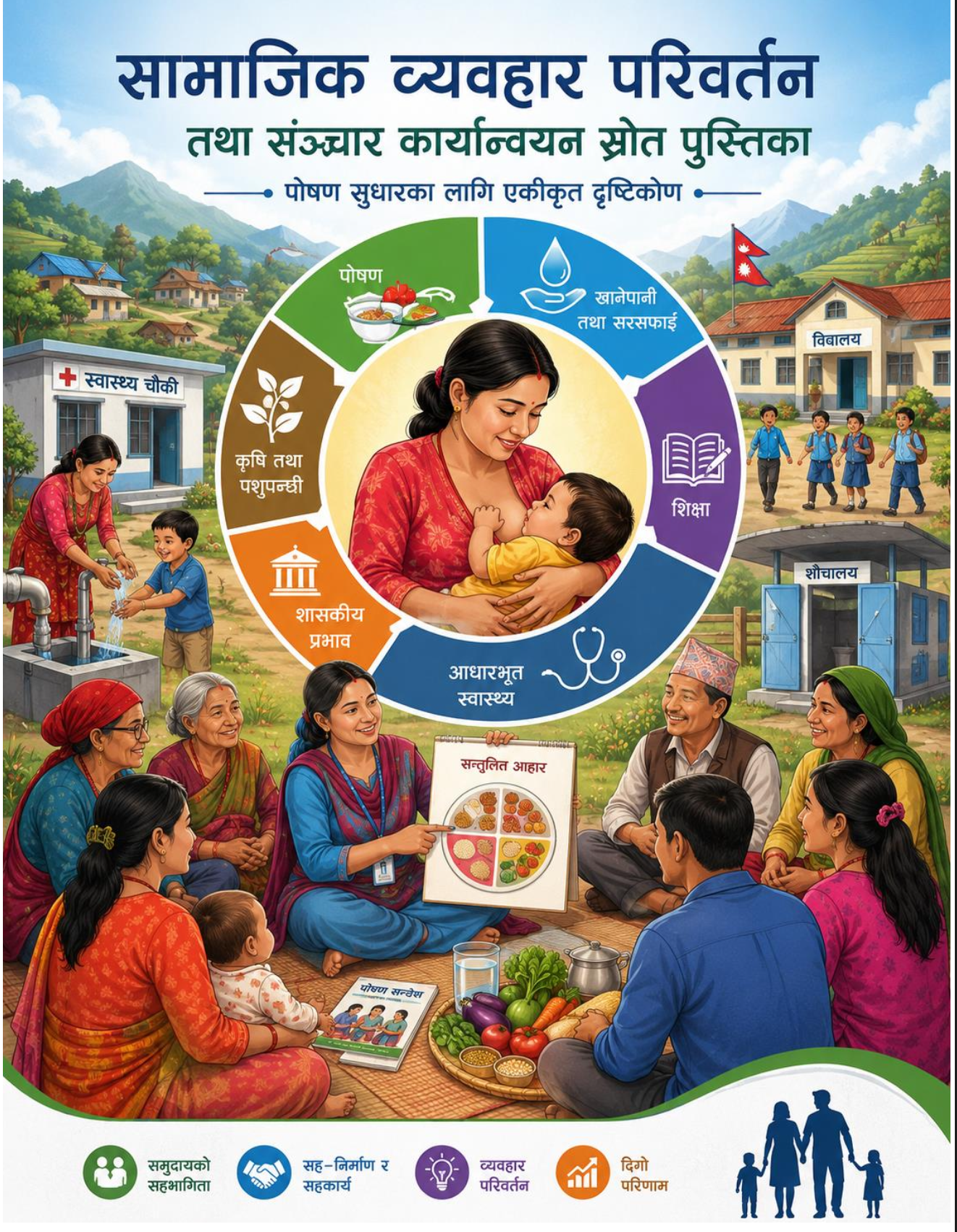
Social and Behavior Change (SBC) Sourcebook
The SBC Sourcebook supports Nepal’s efforts to reduce malnutrition through behavior change. It identifies barriers, co-creates community solutions, and delivers targeted interventions. The framework engages families, communities, and local leaders to support healthy practices. Its goal is to promote sustainable nutrition and well-being through coordinated local action.
A detailed portfolio of NIP will be provided upon request. Feel free to contact us for more information.